PARIS BLOG

HOME > Blog

Blog

Don't Miss Property Update

From Paris Property

What are some tips for social media success?

In today’s digital era, socialmedia has emerged as a vital tool for both businesses and individuals. With billions of active users across multiple platforms, effectively leveraging socialmedia can significantly elevate your brand. However, achieving success on socialmedia involves more than just frequent posting. It necessitates a profound understanding of your audience, the creation of high-quality content, and meticulous strategic planning. This comprehensive guide will help you master socialmedia and harness its full potential. Tip 1: Understanding Your Audience Research and Define The foundation of any successful socialmedia strategy is knowing your audience. Conducting thorough research to identify the demographics, interests, and behaviors of your target audience is crucial. Tools like Facebook Audience Insights and Google Analytics can provide valuable data about your audience’s preferences and habits. Engage Actively Building a community around your brand requires active engagement. Responding to comments, messages, and mentions promptly shows your audience that you value their input and fosters a sense of loyalty. Regular interaction not only boosts your visibility but also humanizes your brand, making it more relatable and approachable. Tip 2: Creating Quality Content Visual Appeal In the visually-driven world of socialmedia, high-quality images, videos, and infographics are essential. Eye-catching visuals not only attract attention but also enhance the overall aesthetic of your profile. Investing in good photography and design tools can make a significant difference in how your content is perceived. Consistent Posting Maintaining a regular posting schedule keeps your audience engaged and informed. Consistency is key to staying top-of-mind with your followers. Utilize tools like Buffer or Hootsuite to schedule your posts in advance and ensure a steady flow of content. Storytelling Crafting compelling narratives that align with your brand’s values and mission can create a deeper connection with your audience. Storytelling is a powerful tool that can convey your brand’s personality and message in a relatable and engaging way. Tip 3: Leveraging Analytics Monitor Performance Utilizing analytics tools such as Google Analytics, Facebook Insights, and Twitter Analytics allows you to monitor the performance of your posts and campaigns. These tools provide valuable insights into what works and what doesn’t, helping you refine your strategy. Optimize Strategy Based on the data gathered from analytics, adjust your content and posting strategy to optimize performance. Experiment with different types of content, posting times, and engagement tactics to see what resonates best with your audience. Tip 4: Collaborating with Influencers Identify Relevant Influencers Influencer marketing can significantly boost your reach and credibility. Identify influencers who align with your brand values and have a genuine connection with their followers. Tools like BuzzSumo and Followerwonk can help you find the right influencers for your brand. Build Partnerships Collaborating with influencers to create authentic content can broaden your reach and enhance your brand’s reputation. Establish mutually beneficial partnerships where both parties gain value, ensuring that the collaboration feels organic and trustworthy. Tip 5: Tailoring Content to Each Platform Platform-Specific Strategies Each socialmedia platform has its unique features and audience. Tailor your content to fit the platform you are using. For instance, professional updates are well-suited for LinkedIn, while visual content thrives on Instagram. Use Platform Features Take advantage of platform-specific features like Instagram Stories, Twitter polls, and LinkedIn Articles. Utilizing these features can increase engagement and make your content more interactive and engaging. Tip 6: Role of SEO  Enhanced Visibility and Reach:SEO in social media is crucial for enhancing visibility and expanding reach. By optimising your social media profiles, posts, and content with relevant keywords and hashtags, you increase the chances of your content being discovered by your target audience. This not only improves organic search rankings but also boosts the likelihood of your social media content appearing in search engine results. Leveraging SEO practices on social platforms helps you connect with users who are actively searching for content related to your brand, thereby driving more traffic and engagement. Building Brand Authority and Credibility:Incorporating SEO into your social media strategy also strengthens your brand’s authority and credibility. When your social media content is consistently optimized, it aligns with your overall brand messaging and makes it easier for users to find accurate information about your brand. High-quality, optimized content that resonates with your audience can lead to more shares, likes, and comments, signaling to both search engines and users that your brand is a trusted source of information. Over time, this can help establish your brand as an industry leader and improve your overall online presence. Tip 7: Planning and Scheduling Posts Content Calendar Developing a content calendar helps you plan your posts in advance and ensures a consistent posting schedule. A well-structured content calendar can streamline your workflow and ensure that your content aligns with your marketing goals. Scheduling Tools Tools like Buffer, Hootsuite, and Later allow you to schedule your posts and manage your accounts efficiently. These tools provide valuable features such as post analytics, social listening, and team collaboration, making socialmedia management more effective. Tip 8: Engaging in Social Listening Monitor Conversations Social listening involves tracking mentions of your brand and industry-related topics on socialmedia. Tools like Mention and Brandwatch can help you monitor these conversations, providing valuable insights into public perception and emerging trends. Participate Engage in relevant discussions to increase your visibility and establish your brand as an industry leader. By participating in conversations, you can connect with potential customers, gather feedback, and stay informed about industry developments. Tip 9: Hosting Contests and Giveaways Generate Excitement Contests and giveaways are a great way to attract new followers and boost engagement. They create excitement and incentivize your audience to interact with your brand. Make sure the prizes are appealing and relevant to your audience. Clear Rules Ensure that the rules of your contests and giveaways are simple and easy to understand. Clearly communicate how participants can enter and what they stand to win. Transparency in the process builds trust and encourages participation. Tip 10:Staying Updated with Trends Follow Trends Keeping an eye on emerging socialmedia trends can give you a competitive edge. Stay
Read More »

Why graphic design is important for book covers?

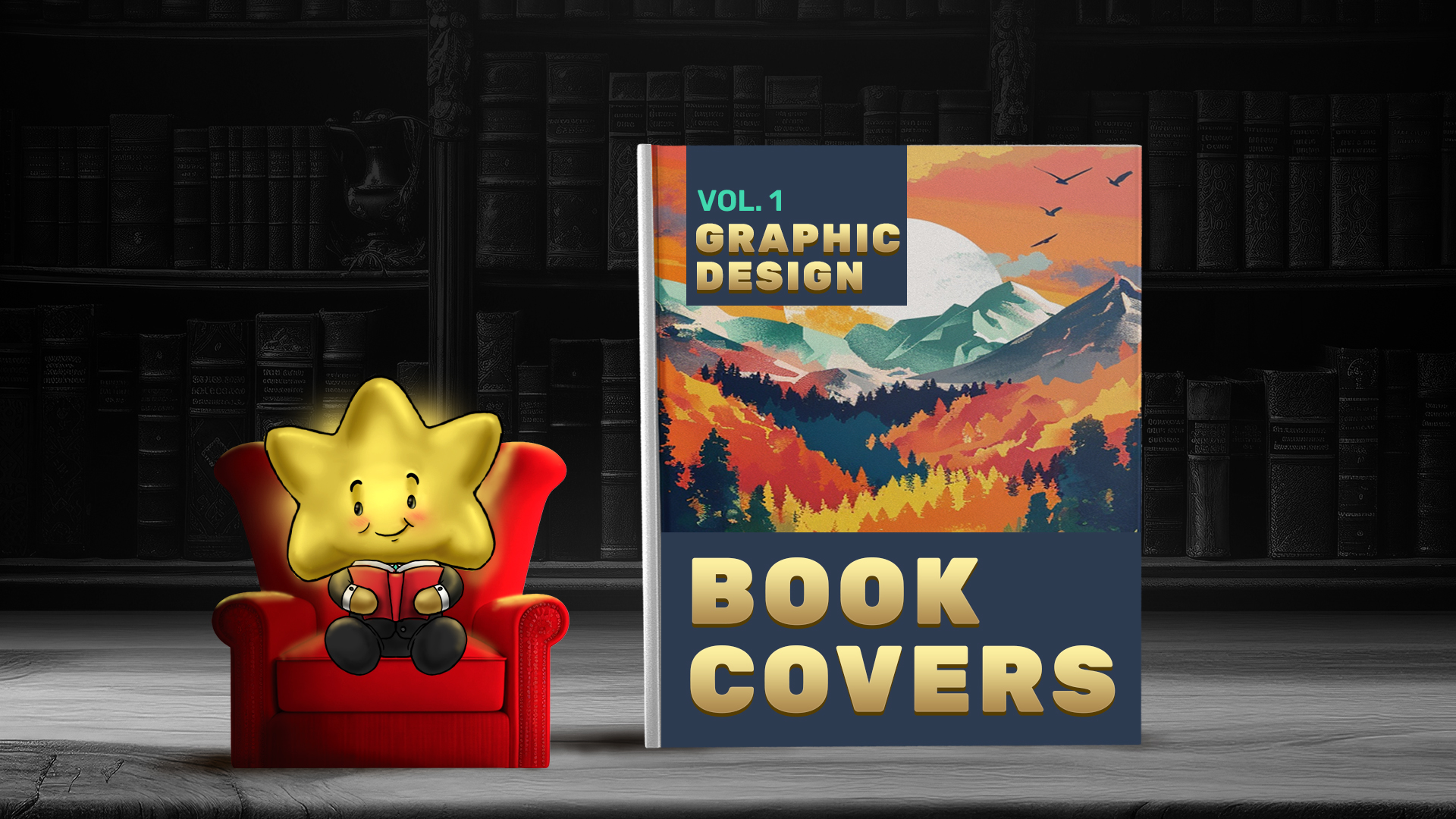
Graphic design is an integral part of creating compelling book covers, merging art and marketing to entice potential readers. A well-designed book cover is more than just a protective layer; it’s a visual ambassador of the book’s content, conveying its essence and drawing readers into its world. On Book Lovers Day, we celebrate the power of graphic design in transforming book covers into captivating works of art.  Book covers have come a long way from simple text and plain backgrounds. Modern graphic design techniques allow for intricate illustrations, sophisticated typography, and strategic colour schemes that make book covers not just attractive, but also highly effective in communicating the story within. As we honour Book Lovers Day, it’s the perfect time to delve into the elements and techniques that make graphic design for book covers so essential. Purpose of Graphic Design in Book Covers The primary purpose of graphic design in book covers is to attract potential readers and convey the book’s theme and tone. A visually appealing cover can make a significant difference in whether a book is picked up or passed over. By combining various design elements such as imagery, typography, and color, graphic designers create covers that are not only beautiful but also meaningful and representative of the book’s content. Key Elements of Graphic Design for Book Covers Typography is a critical component of book cover design. It involves selecting fonts and arranging text to make the title and author’s name clear and readable while also complementing the book’s theme. For example, a historical fiction novel might feature elegant, classic fonts, while a sci-fi thriller could use bold, futuristic typography. The choice of fonts, their size, spacing, and placement are all strategic decisions that enhance the overall design. Colors have a profound psychological impact on readers. The right color scheme can evoke specific emotions and set the mood for the book. For instance, warm colors like red and orange can create a sense of excitement and energy, while cool colors like blue and green may evoke calm and mystery. Understanding color theory and how different colors interact is essential for creating a cohesive and appealing book cover. Imagery and illustrations are powerful tools in book cover design. High-quality images and original illustrations can quickly convey the book’s genre, setting, and mood. Whether it’s a detailed illustration for a fantasy novel or a minimalist photograph for a contemporary drama, the choice of imagery is crucial in drawing readers in and sparking their curiosity. The layout and composition of a book cover determine how all the visual elements are arranged. A well-composed cover guides the viewer’s eye through the design in a logical and aesthetically pleasing way. Principles such as balance, contrast, and hierarchy help create a layout that is both engaging and effective. For example, placing the title at the top and using contrasting colors can ensure it stands out and grabs attention. The Process of Designing Book Covers The first step in designing a book cover is to thoroughly understand the book’s content, themes, and target audience. This involves reading the manuscript or a detailed summary and discussing key elements with the author. A deep understanding of the book helps the designer create a cover that accurately reflects its essence. Once the designer has a clear understanding of the book, they begin brainstorming and sketching initial concepts. This phase includes creating mood boards, exploring different styles, and drawing inspiration from various sources. The goal is to develop a unique concept that captures the book’s spirit. After developing initial concepts, the designer creates rough drafts and shares them with the author and other stakeholders for feedback. This iterative process involves multiple revisions to refine the design and ensure it aligns with the author’s vision and appeals to the target audience. In the final stage, the designer polishes the cover, ensuring that all elements—typography, color, imagery, and layout—work harmoniously together. The design is then prepared for print and digital formats, ensuring it meets technical specifications and looks great in various formats. Tools and Software for Book Cover Design Traditional tools like pencils, markers, and sketchpads are often used in the initial stages of concept development. These tools allow designers to quickly capture ideas and explore different possibilities in a tactile way. Digital tools are essential for modern book cover design. Software like Adobe Photoshop, Illustrator, and InDesign are industry standards for creating high-quality designs. These programs offer a wide range of features for editing images, creating vector graphics, and designing layouts. Procreate is another popular tool for digital sketching and painting. Tips for Creating Effective Book Covers Understanding the target audience is crucial for creating a book cover that resonates. The design should reflect the audience’s preferences and expectations. Researching the audience’s interests and the design trends within the book’s genre can provide valuable insights. Book cover design trends evolve over time. Staying updated with current trends can help designers create contemporary and relevant covers. However, it’s also important to balance trendiness with timeless appeal, ensuring the cover remains effective over time. While creativity is essential, clarity should not be compromised. The cover must be visually appealing and convey the book’s message clearly. Striking a balance between artistic expression and readability ensures that the cover serves its purpose effectively. Feedback from clients, peers, and potential readers is invaluable. Constructive criticism helps identify areas for improvement and refine the design. Regularly seeking feedback during the design process can lead to a more polished and effective book cover. Examples of Iconic Book Covers Some classic book covers have become iconic over time. The cover of “The Great Gatsby” by F. Scott Fitzgerald, with its striking illustration of a woman’s face superimposed over a cityscape, captures the novel’s themes of wealth and disillusionment. Its timeless design remains a cultural touchstone. Modern book covers often reflect current design trends and technological advancements. The cover of “The Night Circus” by Erin Morgenstern, featuring a whimsical black-and-white illustration with splashes of red, effectively conveys the

Read More »
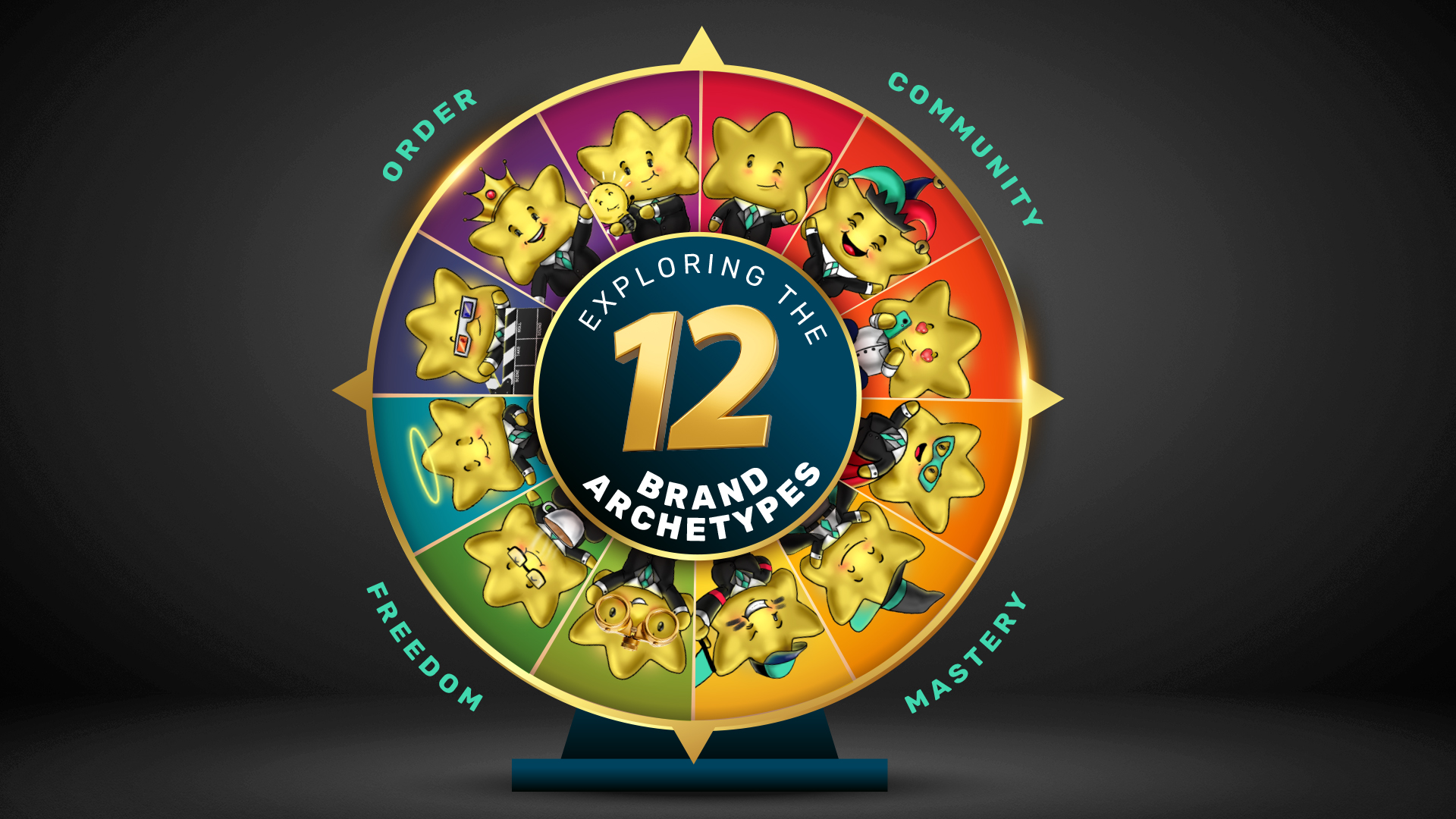
A colorful wheel featuring 12 star characters representing different brand archetypes such as Ruler, Caregiver, Everyman, and more, surrounded by the words Order, Community, Freedom, and Mastery.

A guide to Build a strong brand identity- 12 archetypes 

In the ever-evolving landscape of business, developing a brand identity is crucial. One effective way to achieve this is through the use of brand archetypes. By embodying specific archetypes, brands can tap into universal patterns of behavior and personality that resonate deeply with their audience. This strategic approach not only enhances brand identity but also fosters loyalty and differentiation in a competitive market. The Concept of Brand Archetypes Brand archetypes, rooted in Carl Jung’s theory, are universally recognized characters or symbols that represent key human motivations, values, and traits. There are 12 primary brand personalities, each with distinct characteristics and emotional triggers. These archetypes help brands define their persona and communicate their values in a way that resonates profoundly with consumers. Exploring the 12 Brand Archetypes The Ruler: Brands embodying the Ruler archetype focus on authority, leadership, and control. They emphasize power, responsibility, and tradition, appealing to consumers who seek stability and reliability. Examples include Rolex and Mercedes-Benz. The Caregiver: Compassion, generosity, and nurturing are the hallmarks of the Caregiver archetype. Brands like Johnson & Johnson and Campbell’s Soup promote care and empathy, attracting consumers who prioritize community, family, and social responsibility. The Everyman: Relatability, down-to-earth values, and a sense of belonging define the Everyman archetype. Brands such as IKEA and Levi’s emphasize inclusivity and authenticity, appealing to everyday consumers seeking connection and familiarity. The Jester: Known for humor, joy, and spontaneity, the Jester archetype aims to entertain and create memorable experiences. Brands like M&M’s and Old Spice bring light-heartedness and fun, appealing to consumers looking for excitement and amusement. The Lover: Intimacy, passion, and sensory pleasure are central to the Lover archetype. Brands such as Chanel and Victoria’s Secret evoke desire and emotional engagement, attracting consumers seeking romance, luxury, and indulgence. The Hero: Bravery, resilience, and the pursuit of greatness are the essence of the Hero archetype. Nike and Adidas inspire and empower customers to overcome challenges and achieve their goals, appealing to those who admire strength and determination. The Magician: Transformation, vision, and imagination define the Magician archetype. Brands like Disney and Apple promise to make dreams come true and offer innovative solutions, appealing to consumers looking for creativity and wonder. The Rebel: Non-conformity, revolution, and challenging the status quo are key traits of the Rebel archetype. Harley-Davidson and Diesel advocate for change and authenticity, attracting consumers who value independence and breaking boundaries. The Explorer: Discovery, independence, and adventure characterize the Explorer archetype. Brands like The North Face and Jeep encourage exploration and self-discovery, appealing to consumers seeking new experiences and personal growth. The Sage: Wisdom, knowledge, and understanding are central to the Sage archetype. Google and Harvard University aim to educate and provide thoughtful insights, appealing to consumers who value expertise and intellectual pursuits. The Innocent: Simplicity, purity, and optimism define the Innocent archetype. Brands like Dove and Coca-Cola evoke nostalgia, trust, and a sense of goodness, attracting consumers seeking safety and happiness. The Creator: Innovation, individuality, and self-expression are the hallmarks of the Creator archetype. For example, brands like Lego and Adobe inspire creativity and encourage personal growth. Consequently, they appeal to consumers who value originality and craftsmanship. The Importance of Utilising Brand Archetypes Creating Emotional Appeal Firstly, each archetype taps into deep-seated human emotions and desires. Consequently, this allows brands to connect with consumers on a profound level. Moreover, this emotional resonance can lead to stronger brand loyalty and affinity. Consistent Brand Messaging Additionally, archetypes provide a clear framework for defining and communicating a brand’s personality, values, and mission. Thus, this consistency helps establish a coherent brand identity across different marketing channels. Differentiation in the Market Furthermore, in a crowded marketplace, archetypes help brands stand out by emphasizing unique characteristics and values. Therefore, this differentiation is essential for attracting and retaining customers amidst competition. Conclusion Understanding and leveraging brand archetypes is a powerful tool. Therefore, it helps in creating meaningful connections, establishing a distinctive identity, and navigating the complexities of modern marketing. By embodying specific archetypes, brands can resonate deeply with their audience. Consequently, this fosters loyalty and helps them stand out in a crowded marketplace. For instance, consider the simplicity of the Innocent, the adventure of the Explorer, or the wisdom of the Sage. Each archetype offers unique opportunities for brands. Thus, they can connect with consumers and, consequently, build lasting relationships.

Read More »

10 Tips- How do you design the best packaging?

In today’s competitive market, effective packaging design is crucial for catching the consumer’s eye and creating a memorable brand experience. Whether you are launching a new product or revamping an existing one, thoughtful packaging design can significantly impact your product’s success. Here are 10 tips to help you design packaging that stands out, resonates with customers, and complements your brand identity. 1. Use Patterns Patterns can transform a simple package into an eye-catching masterpiece. By incorporating repetitive designs, you can create a cohesive and visually appealing look that stands out on the shelf. Patterns add texture and depth, making the product more attractive. Whether it’s geometric shapes, floral designs, or abstract art, patterns can evoke various emotions and create a strong visual identity for your brand. 2. Consider All Available Space When designing packaging, every inch of space is valuable. Utilise all available surfaces to convey your message, whether it’s the front, back, sides, or even the interior. This approach ensures that customers receive a complete experience from unboxing to using the product. For example, hidden messages inside flaps or under lids can surprise and delight customers, enhancing their overall experience. 3. Don’t Be Afraid of Simplicity Simplicity in packaging design can be incredibly powerful. A clean and minimalistic design often communicates sophistication and elegance. It allows the product itself to take centre stage without overwhelming the consumer with too much information. Simple designs are often more memorable and can convey a sense of luxury and quality. Think of iconic brands like Apple, whose minimalist packaging has become a hallmark of their brand identity. 4. Think About the Experience Packaging is not just about aesthetics; it’s about the entire user experience. Consider how the customer interacts with your product from the moment they see it on the shelf to when they unbox it at home. Thoughtful touches like easy-open tabs, reusable boxes, or interactive elements can significantly enhance the user experience. A well-designed package can create a memorable and enjoyable unboxing experience, leading to positive word-of-mouth and repeat purchases. 5. Complement the Product Your packaging should reflect the product it contains. The design, colors, and materials should all align with the product’s characteristics and brand identity. For example, eco-friendly products should use sustainable packaging materials, while luxury items might benefit from high-quality, elegant packaging. This coherence helps reinforce the brand message and makes the product more appealing to the target audience. 6. Be Playful Adding a touch of playfulness to your packaging can make your product stand out. Fun elements like bright colours, quirky illustrations, or unexpected design features can capture attention and create a memorable impression. Playfulness can also enhance the emotional connection between the consumer and the product, making it more likely that they will choose your brand over competitors. 7. Be Bold Bold packaging design can make a strong statement and set your product apart from the competition. Bold colours, striking graphics, and unconventional shapes can create a powerful visual impact. Don’t be afraid to take risks and push the boundaries of traditional design. A bold approach can create a sense of excitement and curiosity, encouraging customers to pick up and explore your product. 8. Break the Mould Innovation is key in packaging design. Breaking away from traditional packaging norms can make your product more distinctive and memorable. Consider unique shapes, materials, or opening mechanisms that differentiate your product from others on the market. Innovative packaging can also provide functional benefits, such as improved product protection or enhanced usability. 9. Consider the Process When designing packaging, it’s essential to consider the production process. Choose materials and designs that are feasible within your budget and manufacturing capabilities. Efficient and cost-effective packaging can help reduce waste and production costs. Additionally, considering the entire supply chain, from manufacturing to shipping to shelf display, ensures that your packaging is practical 10. Create your own style create your own style it involves unique visual language for your packaging. This can include custom illustrations, distinctive typography, or a consistent colour palette that reflects your brand’s identity. Stylization helps create a cohesive and recognisable look that can strengthen brand loyalty. It also allows for creative expression and can make your packaging more visually appealing and memorable. Conclusion Effective packaging design is a crucial element in the success of a product. By incorporating these 10 tips such as patterns, considering all available space, embracing simplicity, focusing on the user experience, complementing the product, being playful, bold, innovative, and thoughtful about the production process, and using stylisation, you can create packaging that stands out and resonates with consumers. These 10 tips can help you develop packaging that not only attracts attention but also enhances the overall customer experience, leading to increased brand loyalty and sales

Read More »
This image features a golden star character in a business suit, stepping out of a cardboard box, and holding a lightbulb with a smiling face. Surrounding the star are multiple golden stars and megaphones, all set against a dark background. The scene suggests themes of creativity, innovation, and thinking outside the box.

Why Branding Matters: A Guide for New Business Owners

In today’s highly competitive market, branding matters for your business. It’s is not just a necessity but a strategic tool to becoming a recognized . Effective marketing can elevate your business, making it stand out in a crowd. This article explores strategies and tools essential for marketing your business. The Importance of Branding Branding is the cornerstone of any successful business. It helps create awareness, generate leads, and ultimately convert those leads into loyal customers. Without branding, even the best products or services can go unnoticed. Here are key reasons why branding matters. Company Research & Competitor Analysis Before launching any brand campaign, thorough research is vital. Understanding your market, identifying your target audience, and analysing competitors can provide valuable insights. This research helps in crafting strategies that resonate with your audience and differentiate you from competitors. Ideation and Planning Successful branding starts with strong ideation and planning. Brainstorming creative ideas and planning their execution ensures that your efforts are aligned with your business goals. A well-thought-out plan acts as a roadmap, guiding your marketing activities and measuring their effectiveness. Branding Strategy A robust strategy is the foundation of effective marketing. It involves identifying your unique selling proposition (USP), setting objectives, and choosing the right channels to reach your audience. An integrated strategy ensures consistency across all marketing efforts. Complete Social Media Handling Social media is a powerful tool for branding your business. It allows you to connect with your audience, build relationships, and promote your brand. Effective social media management includes creating engaging content, monitoring interactions, and analysing performance to optimize your social media presence. Email Marketing Email marketing remains one of the most cost-effective ways to reach your audience. Personalised email campaigns can nurture leads, provide valuable content, and drive conversions. Regular newsletters, promotional offers, and personalised messages keep your audience engaged and informed. WhatsApp Marketing WhatsApp marketing offers direct and personalized communication with your customers. With high open rates, it is an effective channel for sending updates, promotional offers, and customer support messages. It allows for real-time interaction, enhancing customer satisfaction. Direct SMS SMS marketing is another direct way to reach your customers. It is effective for time-sensitive promotions and updates. With high open rates, SMS ensures that your message is seen promptly, driving immediate action. Corporate Videos Corporate videos are a dynamic way to showcase your brand, products, and services. They can be used for promotional campaigns, product launches, and customer testimonials. Videos have a high engagement rate and can effectively convey your brand story. Creatives as Required Creative content, including graphics, infographics, and visual storytelling, can enhance your marketing campaigns. Visual content is more engaging and memorable, helping to capture your audience’s attention and communicate your message effectively. Reels as Required Short-form video content, such as reels, is gaining popularity on platforms like Instagram and Facebook. Reels are engaging, shareable, and can quickly go viral, increasing your brand’s visibility and reach. SEO (Search Engine Optimisation) SEO is crucial for improving your website’s visibility on search engines. Optimizing your website content, using relevant keywords, and building backlinks can drive organic traffic to your site, increasing your chances of converting visitors into customers. SEM (Search Engine Marketing) SEM involves paid advertising on search engines. It complements SEO by providing immediate visibility and driving targeted traffic to your website. Effective SEM campaigns can boost your online presence and generate qualified leads. Lead-Generation Campaigns Lead-generation campaigns are designed to attract and convert potential customers. Utilizing various channels such as social media, email, and search marketing, these campaigns focus on building a pipeline of qualified leads for your sales team. Blog Writing Blogs are an excellent way to provide valuable content to your audience. Regularly publishing informative and engaging articles can position your brand as an authority in your industry, drive traffic to your website, and improve your SEO efforts. Introducing CMO IN THE BOX At the end of the day, comprehensive branding matters a lot and needs resources and expertise. This is where our product, CMO IN THE BOX, comes into play. CMO IN THE BOX is a premium service that focuses on every aspect a brand that might need to run its marketing in a full-fledged manner. We take the responsibility of running every possible effort to make the marketing of your brand a recurring success. From strategy development to execution, CMO IN THE BOX ensures that your marketing is handled by experts, allowing you to focus on what you do best – running your business. Conclusion Marketing your business effectively is crucial to becoming a recognized and successful brand. By implementing comprehensive strategies such as social media management, email marketing, SEO, and lead-generation campaigns, you can build a strong marketing foundation. Our premium service, CMO IN THE BOX, offers a complete marketing solution, ensuring that every aspect of your marketing is handled by experts. Let us help you achieve marketing success and elevate your brand to new heights.

Read More »
"A smiling star character named Mr. Magic sits on a red throne, wearing a black suit with a teal tie. A gold crown hovers above the character's head, with black curtains framing the scene."

What Is A Mascot And Why Is It Important?

In the world of branding, creating a strong, memorable brand identity is crucial. One effective way to achieve this is through a mascot. Think about iconic brand mascots like zoozoo from vodafone. These characters do more than just represent a brand; they bring it to life, humanise it, and make it unforgettable. A mascot is a powerful tool in brand strategy. It acts as a bridge between your brand and your audience, making your brand more relatable and approachable. A well-created mascot can embody the spirit of your brand, making it easier for people to remember and connect with your company. Additionally, mascots can help differentiate your brand from competitors, boost engagement, and enhance brand recall. Smart Magic: Creating Our Mascot Our Vision for the Mascot At Smart Magic, we wanted our mascot to reflect our values and the essence of our brand. We envisioned a character that is young, vibrant, wise, and friendly—a mascot that embodies the qualities of a capable and approachable Chief Marketing Officer (CMO). Our mascot needed to be someone who has a solution to every branding problem, someone whose wisdom speaks volumes, and who is always ready to lend a helping hand. The Design Process Creating a mascot is a creative and thoughtful process that requires extensive research and brainstorming. Our team at Smart Magic delved into various ideas and inspirations to craft the perfect mascot. We started by developing a mood board that reflected the values of friendliness, approachability, wisdom, and capability. This helped us narrow down the traits and characteristics that our mascot should embody. Since our brand name is Smart Magic, we decided to create a star character. Stars have been around for eons, witnessing human life and representing intelligence and wisdom. The magic element comes from the shooting glow of a star, which aligns with our brand’s name and vision. The Naming Process Naming our mascot was an exciting and collaborative process. Our team came together to brainstorm and suggest a variety of names. After much deliberation and a fun internal competition, we decided on the name “Mr. Magic.” This name perfectly encapsulates the essence of our brand, combining the wisdom and friendliness of our mascot with the magic of our branding solutions. Integrating the Mascot into Our Brand Our mascot, Mr. Magic, is not just a character; he is an essential part of our brand strategy. We plan to use him across various social media platforms to offer branding advice, engage with our audience, and build our brand’s presence. Mr. Magic will help us reach more customers, communicate our expertise, and create a strong emotional connection with our audience. Benefits of Having Mr. Magic for Smart Magic At Smart Magic, our mascot Mr. Magic is a crucial component of our brand strategy, helping us connect with our audience, communicate our values, and stand out in a crowded market.

Read More »

How to start UX design for beginners?

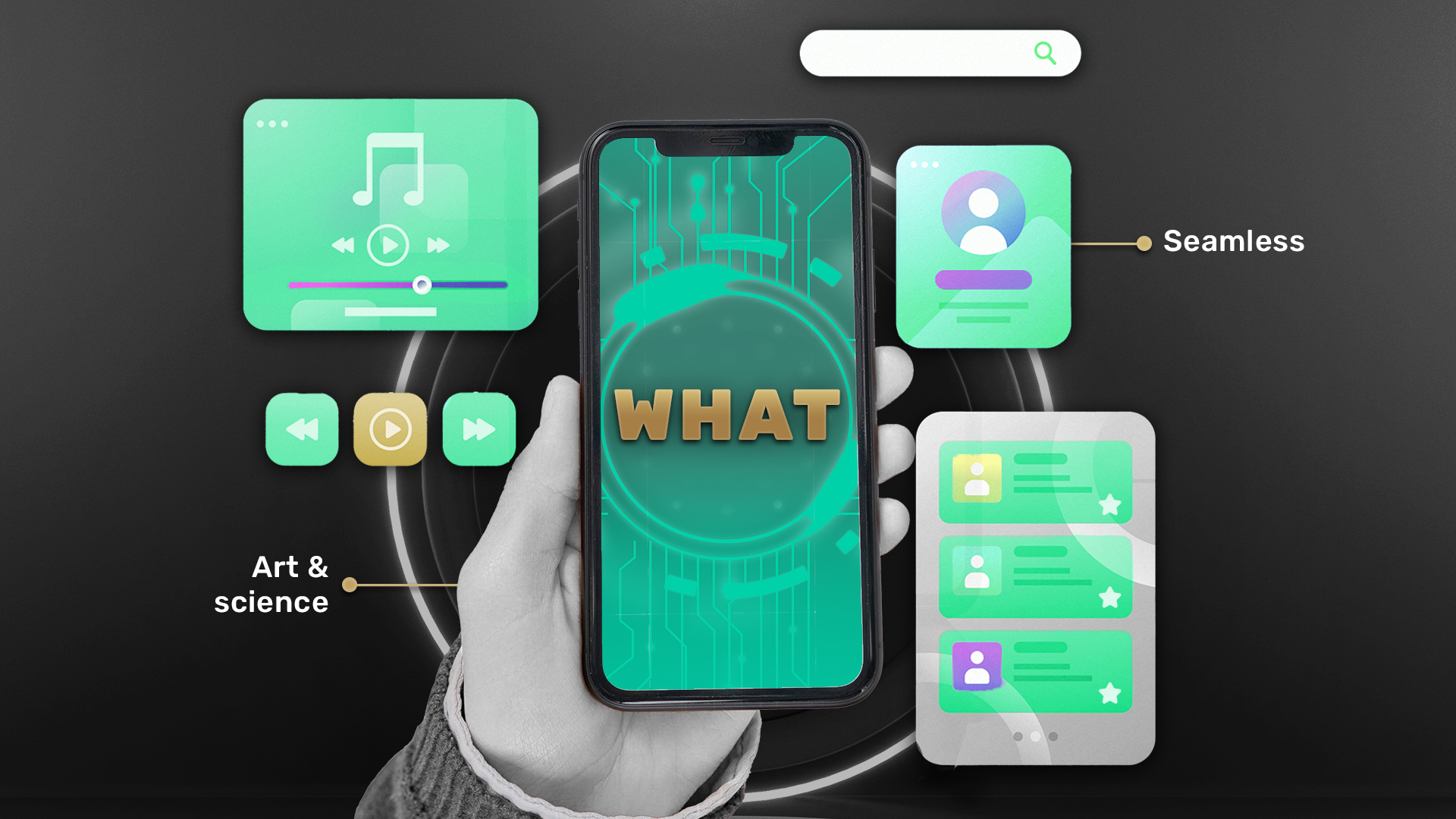
User Experience Design: Creating Seamless Interactions UX design, or user experience design, is the art and science of crafting products and experiences that facilitate users in accomplishing their tasks as efficiently and effectively as possible. This multidisciplinary field encompasses a variety of elements, from the look and feel of a product to how easy it is to use, ultimately shaping how users perceive and interact with it. Defining User Experience Ux design refers to how users feel and respond when interacting with a product. This concept is not limited to digital interfaces but extends to physical objects and everyday experiences. Whether it’s operating a coffee maker, buying a car, or navigating a mobile app, UX encompasses all the factors that contribute to the user’s interaction with a product. The Importance of UX Design in the Digital Age Why UX Design Matters In today’s digital world, UX design is crucial. The quality of the user experience can significantly impact the success of a product. Good UX design ensures that users can complete their tasks efficiently, leading to higher satisfaction and loyalty. Conversely, poor UX design can frustrate users, driving them away and harming the product’s reputation. The Role of Empathy in UX Design At its core, UX design is about empathy. Designers must understand and anticipate the needs, goals, and pain points of their users. By stepping into the users’ shoes, designers can create solutions that not only address their needs but also enhance their overall experience. Identifying and Solving Pain Points A critical aspect of UX design is identifying pain points—specific issues or challenges users encounter while using a product. By thoroughly understanding these pain points, designers can develop effective solutions that improve the user experience. This process often involves user research, testing, and iteration to ensure the final design meets users’ needs. The Components of UX Design Visual Design: Crafting Aesthetic Appeal Visual design plays a vital role in UX by shaping the product’s look and feel. It involves creating an aesthetically pleasing interface that aligns with the brand and appeals to the target audience. Good visual design enhances usability by guiding users intuitively through the interface. Information Architecture: Structuring Content Information architecture involves organizing and structuring content in a way that makes it easily accessible and understandable for users. This component of UX design ensures that users can find the information they need quickly and efficiently, enhancing their overall experience. Interaction Design: Facilitating User Interactions Interaction design focuses on how users interact with a product. It involves creating intuitive and responsive interfaces that facilitate smooth interactions. Effective interaction design ensures that users can easily navigate the product and complete their tasks without unnecessary friction. Usability Testing: Ensuring Effectiveness Usability testing is a critical phase in the UX design process. It involves evaluating the product’s usability by observing real users as they interact with it. This testing helps identify any usability issues and provides valuable insights that inform subsequent design iterations. Principles of Effective UX Design Simplicity: Keeping It Straightforward One of the fundamental principles of UX design is simplicity. A simple design minimises cognitive load, making it easier for users to navigate and complete their tasks. By eliminating unnecessary elements and focusing on essential functions, designers can create a more intuitive and efficient user experience. Consistency: Maintaining Uniformity Consistency in UX design ensures that users can predict how the product will behave, reducing confusion and enhancing usability. This principle applies to visual elements, interaction patterns, and terminology. A consistent design helps users build familiarity and confidence with the product. Accessibility: Designing for All Users Accessibility is a crucial consideration in UX design. Designers must ensure that their products are usable by individuals with diverse abilities and disabilities. This involves adhering to accessibility standards and guidelines, such as providing alternative text for images and ensuring sufficient contrast for readability. The UX Design Process Research: Understanding User Needs The UX design process begins with thorough research to understand the target users and their needs. This phase involves various methods, such as surveys, interviews, and observational studies, to gather insights into user behaviors, preferences, and pain points. Ideation: Generating Creative Solutions Once the research is complete, designers move to the ideation phase, where they brainstorm and generate creative solutions to address the identified pain points. This phase encourages divergent thinking, allowing designers to explore a wide range of ideas before narrowing down to the most promising ones. Prototyping: Bringing Ideas to Life Prototyping involves creating preliminary versions of the product to test and refine the design concepts. These prototypes can range from simple sketches to interactive digital models. Prototyping allows designers to experiment with different ideas and gather feedback from users early in the process. Testing: Validating Design Choices Usability testing is conducted on the prototypes to validate the design choices and identify any issues. This iterative process involves testing the product with real users, gathering their feedback, and making necessary adjustments. Testing ensures that the final design is user-centered and effective. Implementation: Building the Product After refining the design through testing, the final step is implementation. This phase involves collaborating with developers to build the actual product. Designers must ensure that the implemented product aligns with the design specifications and provides a seamless user experience. The Future of UX Design Emerging Trends in UX Design As technology continues to evolve, so does the field of UX design. Emerging trends such as artificial intelligence, augmented reality, and voice interfaces are shaping the future of UX design. These advancements offer new opportunities for creating innovative and immersive user experiences. The Growing Importance of Ethics in UX Design With the increasing influence of technology on our daily lives, ethical considerations in UX design are becoming more critical. Designers must ensure that their products are not only effective and enjoyable but also ethical and responsible. This involves addressing issues such as privacy, data security, and user consent. The Role of Continuous Learning in UX Design The field of UX design is dynamic and

Read More »

The Importance Of Icons An Ultimate Guide!

Icons are the unsung heroes of the design world. These small, yet powerful elements are everywhere in our daily digital interactions, from apps to websites to operating systems. They communicate ideas, actions, and concepts quickly and efficiently, transcending language barriers and enhancing user experience. Understanding the importance of icons and how to design them effectively can significantly impact the success of a digital product. The Universal Language of Design Icons are a universal language in the realm of digital design. They convey meaning without words, making interfaces more intuitive and accessible. A well-designed icon set can improve user engagement and comprehension, making navigation more straightforward and reducing the cognitive load on users. In a world where attention spans are shrinking, icons help in delivering information swiftly and effectively. Enhancing User Experience with Icons One of the primary reasons icons are so important is their role in enhancing user experience. Icons help users perform actions with ease, find information quickly, and understand functionalities without having to read lengthy text descriptions. They make interfaces cleaner and more visually appealing, contributing to a seamless and enjoyable user experience. Icons as Brand Ambassadors Importance of Icons can also serve as brand ambassadors. A unique and consistent icon set can reinforce a brand’s identity and make it more recognisable. When users repeatedly see the same icons associated with a brand, it fosters familiarity and trust. Think of the world’s most recognizable brands—many of them have iconic symbols that instantly evoke the brand’s identity and values. The Role of Icons in Accessibility Accessibility is a crucial aspect of modern design, and icons play a significant role in making interfaces accessible to all users. Icons can be particularly beneficial for users with cognitive disabilities, as they can convey information quickly and reduce the need for reading. When paired with appropriate text labels and alternative text, icons ensure that digital products are usable by a diverse audience. Five Best Practices for Designing Icons Creating effective and aesthetically pleasing icons requires a careful balance of creativity and functionality. Here are five best practices for designing icons that stand out and serve their purpose effectively: 1. Keep It Simple Simplicity is the key to effective icon design. Icons should be easily recognizable at a glance. Avoid adding unnecessary details that can clutter the icon and make it difficult to understand. Aim for a clean, minimalist design that conveys the intended message clearly. 2. Ensure Consistency Consistency is crucial when designing a set of icons. All icons should share a common style, including stroke width, color palette, and overall design language. Consistency helps in creating a cohesive and professional look, making the icons work well together as a set. 3. Use Widely Recognized Symbols When possible, use symbols that are widely recognized. This enhances the icon’s ability to communicate quickly and reduces the risk of confusion. For instance, a magnifying glass is commonly understood to represent search, and a trash can symbolises delete. 4. Test for Scalability Importance of Icons is that should be designed to be scalable. They need to look good and be recognizable at various sizes, from small favicon sizes to larger display sizes. Testing your icons at different scales ensures they maintain their clarity and effectiveness across different contexts. 5. Focus on Clarity Clarity is paramount in icon design. Each icon should have a distinct silhouette and be easily distinguishable from other icons. Avoid using complex shapes or overlapping elements that can compromise the icon’s clarity. Remember, the goal is to make the icon understandable at a quick glance. The Small but Mighty Icon: Conclusion Icons, despite their small size, have a profound impact on digital design. They enhance user experience, communicate complex ideas swiftly, and strengthen brand identity. By following best practices in icon design and utilising available resources, designers can create icon sets that are both functional and visually appealing. In a digital landscape where every pixel counts, icons prove that sometimes, the smallest elements can leave the most lasting impressions.

Read More »
Event management team preparing a corporate event for a product launch.

Why Corporate Events are important?

Introduction In the dynamic world of business, the significance of Event Management, Corporate Events, Product Launch & Brand Growth cannot be overstated. They serve not just as a platform for showcasing new products but also play a critical role in defining a brand’s strategy towards growth and recognition. This article talks about the essence of Event management with Brand Growth, revealing strategies and insights that help transform a standard gathering into a groundbreaking event. Whether you are unveiling a new product or hosting an annual conference, the principles of event management remain the same. Embrace this guide to ensure your next event not only meets but exceeds expectations, fostering an environment where your brand can thrive and capture the imagination of your audience. The Role of Event Management in Corporate Strategy A Strategic Overview Effective event management goes beyond mere planning; it involves a holistic strategy that aligns with the company’s long-term goals. From enhancing the brand perception to fostering networking opportunities, corporate events and product launches serve as pivotal moments in a brand’s growth. They are not just events, but strategic tools for significant brand storytelling and audience engagement. Integrating Corporate Identity in Events Every event is a reflection of the brand’s ethos and values. How a company chooses to launch a product or engage with its audience can significantly influence public perception. Thus, integrating the corporate identity into every aspect of the event—from the theme to the decor, from the invitations to the presentations—ensures a cohesive and immersive experience that resonates with all attendees. Planning and Execution: From Conception to Reality Conceptualising the Event The initial phase of any event management process involves brainstorming the concept. This includes setting clear objectives, understanding the target audience, and defining what success looks like for the event. Whether it’s launching a new tech gadget or a pharmaceutical product, the groundwork laid during this phase paves the way for all subsequent decisions. Choosing the Right Venue (Location) Selecting a venue that complements the product being launched is crucial. The venue should enhance the product’s appeal without overshadowing it. Factors like location, capacity, amenities, and technical capabilities play a significant role in not only accommodating the guests comfortably but also in facilitating a smooth execution of the event’s agenda. Designing a Relevant and Memorable Theme A well-chosen theme can set the tone of the event and make it memorable. The theme should align with the brand’s message and the product’s unique selling proposition, creating a coherent story that captivates the attendees’ imagination and sustains their interest throughout the event. Marketing and Promotion: Building Anticipation and Engagement Effective Use of Social Media In today’s digital age, social media is a formidable tool for event marketing. Platforms like Twitter, Facebook, and Instagram offer opportunities to create buzz and foster engagement before, during, and after the event. Teasers, countdowns, live updates, and interactive sessions can help maintain momentum and build excitement. Invitations and RSVPs: Crafting the First Impression The invitation not only serves as the first touchpoint of the event experience but also sets the expectations. It should reflect the essence of the event in both design and content, ensuring it aligns with the overall marketing strategy and brand voice. Logistics and Vendor Management: Ensuring Seamless Execution Coordination with Vendors Seamless collaboration with vendors—from caterers and decorators to technology providers—is essential for flawless event execution. Detailed contracts, clear communication, and regular follow-ups ensure that every component of the event aligns with the planned vision. On-Day Event Management Effective on-day management is crucial. This includes everything from registration processes and seating arrangements to technical setups and stage management. A dedicated team, thorough checklists, and contingency plans are vital to handle any unforeseen issues that might arise. Post-Event Strategies: Maximising Impact and Engagement Effective Follow-Up The event’s conclusion marks the beginning of a new phase in engagement. Follow-up emails, thank you notes, surveys, and posts on social media can help measure the event’s success and maintain the momentum of engagement with the attendees. Analysing Feedback for Future Improvements Gathering and analysing feedback is crucial for continuous improvement. Insights gained from attendees’ experiences can drive better strategies and planning for future events, ensuring each one is more successful than the last. Conclusion In conclusion, mastering the art event management, corporate events, product launch & brand growth is not merely about flawless execution but about creating a lasting impression.

Read More »

10 Reasons To Launch Your Business Website

Introduction In today’s rapidly digitising world, having an online presence is no longer merely an option for businesses; rather, it’s an essential part of staying relevant and competitive. As we look ahead to 2024, the significance of this reality only intensifies. A website acts not just as a digital business card but also as a dynamic platform where brands can cultivate their identity, engage with customers, and expand their market reach. Therefore, in this article, we explore the top reasons why your business absolutely needs a website in 2024, highlighting how each factor contributes to sustained business success.. Easy To Approach One of the most important arguments for any business to start a website is to ensure that it remains accessible around the clock. Unlike traditional brick-and-mortar setups, which are bound by specific hours, a website operates 24/7. This round-the-clock availability allows potential customers from different time zones and schedules to interact with your brand at their convenience, significantly widening your business will increase the potential for sales and inquiries. Enhanced Professional Image In 2024, a business without a website risks being perceived as outdated or less professional. A sleek, modern website serves as a testament to a company’s commitment to stay up-to-date with technologies and customer preferences. It fosters trust and credibility among consumers, who often look up a business online as a first step towards engagement. Cost-Effective Marketing Marketing through a website is one of the most cost-effective strategies for reaching a large audience. Traditional advertising methods like print, TV, or radio involve considerable costs, whereas a website’s scalability and flexibility offer a broader reach at a lower cost. Plus, digital marketing analytics allow for detailed tracking and optimization of marketing efforts, ensuring better ROI. Increased Customer Insights A website also acts as a portal to invaluable customer insights. Through analytics tools, businesses can track user behaviour, preferences, and engagement. This data is crucial for tailoring marketing strategies, product offerings, and overall user experience, ultimately leading to more effective business decisions and increased customer satisfaction. Improved Customer Service and Support Providing customers with an easy way to find support can greatly enhance customer satisfaction. A website can offer various forms of customer service, such as FAQs, live chat, and support forms, which provide immediate assistance without the cost of additional staff or physical customer service centres. Competitive Advantage In 2024, having a website could be the deciding factor between a business that thrives and one that struggles. A well-maintained website can set a business apart from competitors who may not have as robust an online presence. It allows for the showcasing of unique selling points and testimonials that can sway potential customers. Streamlined Sales Processes A website with e-commerce capabilities can transform a local business into a global one. It simplifies the sales process by allowing customers to purchase directly from the website at any time. This not only increases convenience for the customer but also reduces the workload on your staff. Expanded Market Reach A business’s physical location often limits its market reach. A website, however, opens up a broader market, making your products or services accessible to a global audience. This digital presence is particularly crucial as global e-commerce continues to grow. SEO and Online Visibility Search Engine Optimization (SEO) is crucial for increasing online visibility. A well-optimised website appears higher in search engine results, making it more likely that potential customers will visit your site instead of a competitor’s. Effective SEO strategies can significantly increase your brand’s online visibility and attract more organic traffic. Adaptability to Market Changes The digital landscape is constantly evolving, and having a website allows your business to adapt quickly to market changes. Whether it’s updating your product list, changing your pricing, or posting important announcements, a website is a versatile tool that can be quickly updated to reflect changes, keeping your customers informed and engaged. Conclusion The necessity of a website for a business cannot be overstated. From enhancing professional credibility to expanding market reach and improving customer service, the benefits are clear and compelling. In an era where digital presence is synonymous with business viability, investing in a robust, well-designed website is one of the wisest decisions a business owner can make. Build your website today

Read More »